Dao Song Qigong
Movement, breath and relaxation.
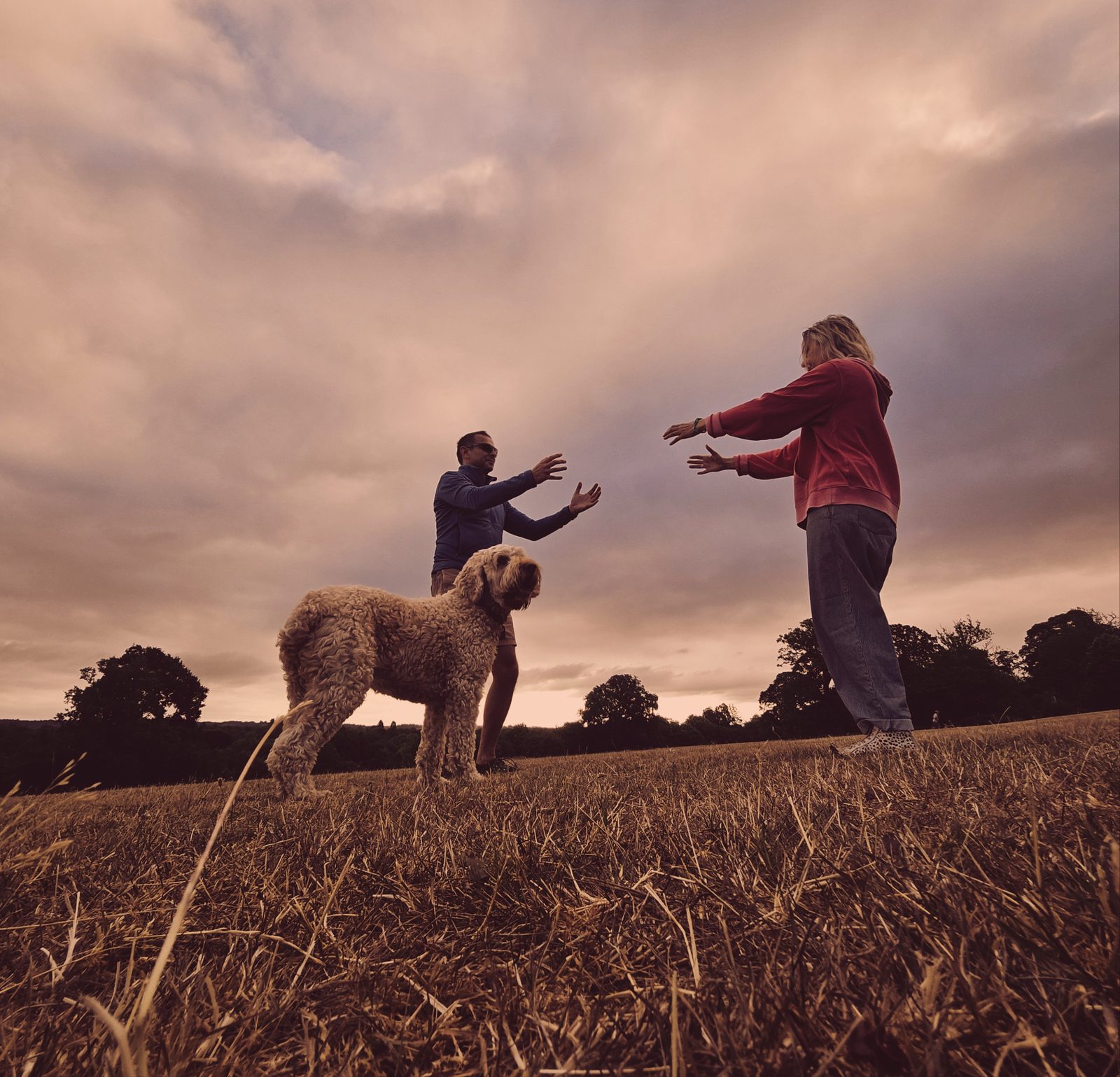
Qigong is an ancient Chinese practice combining gentle movement, breathing and focused attention. There are many different traditions, but at its heart Qigong gives us an opportunity to slow down, become more aware of our bodies and explore the connection between movement, breath and mind.
Dao Song can be translated as a path to relaxation, which captures much of what I want to explore through my Qigong teaching.
Learning to breathe
Breathing is an important part of my Qigong practice and teaching.
Through Qigong we explore simple techniques including diaphragmatic and nasal breathing, slower breathing and coordinating the breath with movement. Rather than forcing a particular breathing pattern, the aim is to develop awareness and allow the breath to become slower, easier and more relaxed.
The breath also provides a natural bridge between movement and meditation — giving the mind something simple to return its attention to.
Moving meditation
Meditation doesn’t have to mean sitting completely still.
The slow, repeated movements of Qigong give us something physical to focus on: feeling the movement, following the breath and noticing what is happening within the body.
The body is moving, but the pace and attention can create a sense of stillness within the movement.
Tradition meets modern understanding
Qigong has developed over centuries alongside ideas from Traditional Chinese Medicine. Concepts such as Qi, meridians and the balance of Yin and Yang are woven into many traditional explanations of the exercises.
I enjoy exploring these ideas while also looking at what modern anatomy, physiology and neuroscience can tell us about the same practices. We might look at the traditional explanation of an exercise and then explore what may also be happening in terms of breathing, circulation, mobility, balance or the nervous system.
The two explanations don’t always have to say the same thing. Understanding both can make the practice more interesting without losing sight of the most important part — actually experiencing the movement.
The Dao Song community
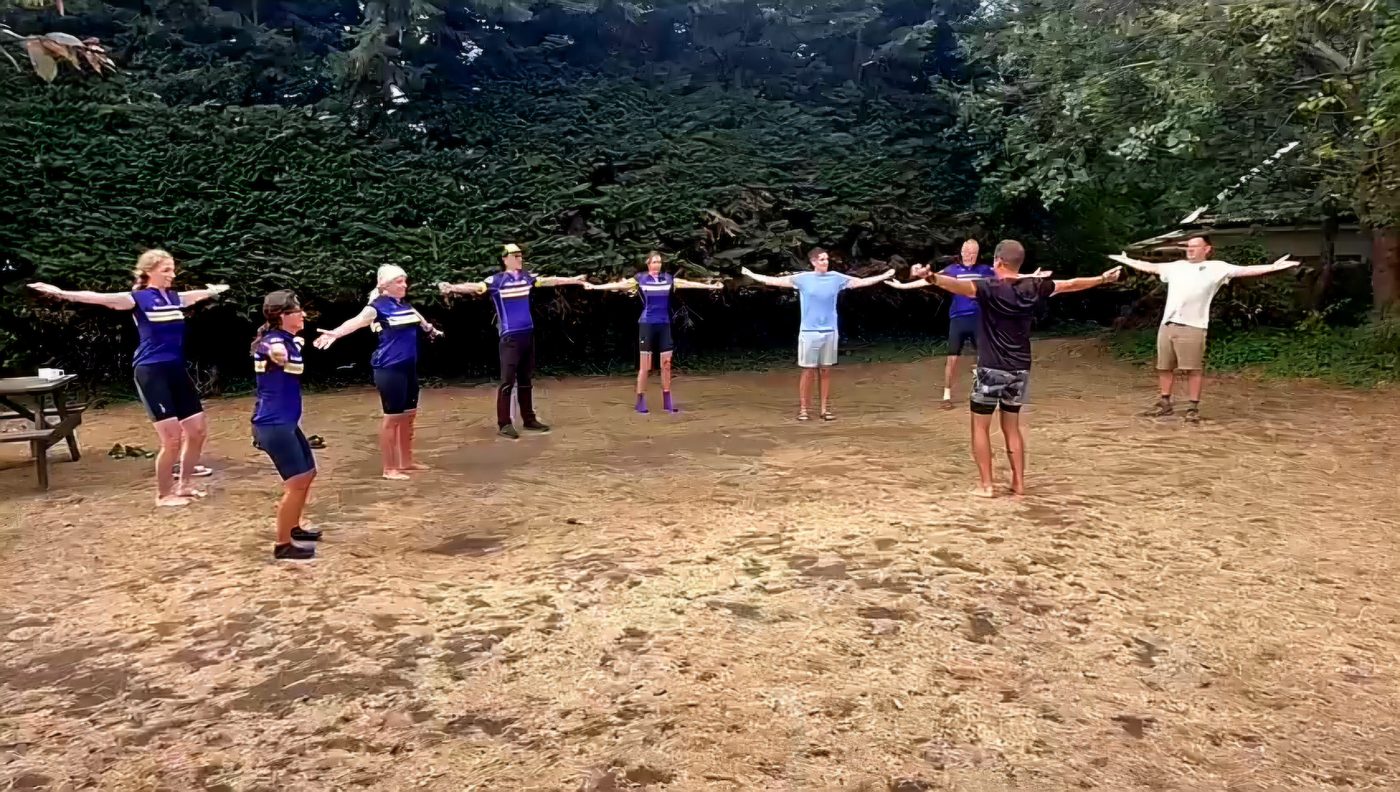
Dao Song is also becoming a community beyond the regular classes — a place to continue exploring Qigong through short practices, ideas and discussion. This includes practice videos, simple explanations of traditional and modern ideas, and occasional opportunities to practise Qigong together outdoors.
The aim is simple: to explore different ways of finding a little more movement, awareness and relaxation in everyday life.

